
Understanding the Basics of Poker
To truly master poker in casinos, one must first grasp the fundamental rules and gameplay mechanics. Poker is not merely a game of chance; it involves strategic thinking and decision-making under uncertainty. Familiarizing oneself with hand rankings is essential, as players must know how different hands compare against one another, from high cards to royal flushes. More experienced players often look for the best casino online options that provide a variety of games, while understanding these basics allows players to make informed bets and decisions during gameplay.
Moreover, players should recognize the various poker variants available in casinos, such as Texas Hold’em, Omaha, and Seven Card Stud. Each variant comes with its own set of rules and strategic approaches, affecting how players engage with the game. For instance, Texas Hold’em is popular for its blend of simplicity and depth, while Omaha requires players to consider additional factors due to the nature of starting hands. Comprehending these differences can enhance your adaptability at the tables.
Additionally, new players can benefit immensely from observing experienced players. Watching how they manage their chips, read opponents, and react to different situations can provide insights that are not easily gleaned from reading books or articles. In many cases, these observations can teach valuable lessons about timing, risk management, and psychological tactics essential in poker. Building a strong foundation in the basics enables players to advance to more complex strategies with confidence.
Building Effective Strategies
After grasping the fundamentals, players should focus on developing effective strategies to gain an edge over their opponents. One essential aspect of strategic play is understanding position at the table. Your position as a player can significantly impact your betting strategy; being seated in a late position allows you to observe other players’ actions before making decisions. This strategic advantage can be used to dictate the flow of the game and exploit weaker opponents.
Another key component of a successful poker strategy is the concept of aggression. Passive play can lead to missed opportunities, while aggressive betting can force opponents into uncomfortable situations. By consistently applying pressure through well-timed raises and bluffs, players can control the dynamics of the game. However, the art of aggression must be balanced; reckless or overly aggressive play can lead to substantial losses, making it vital to assess situations carefully.

Furthermore, adapting your strategy based on the table dynamics and adjusting your play style according to your opponents’ tendencies is crucial. For example, if you notice that players are overly tight, it may be advantageous to play more hands and capitalize on their cautious approach. Conversely, if the table is loose and players are willing to gamble, tightening your range and waiting for premium hands might be more effective. The ability to read the table and make adjustments on the fly is a hallmark of a skilled poker player.
The Importance of Bankroll Management
Effective bankroll management is a cornerstone of long-term success in the world of poker. Players must set aside a specific amount of money dedicated to their poker endeavors and avoid playing with funds that are needed for essential expenses. Establishing a bankroll allows players to withstand the inevitable fluctuations of the game without jeopardizing their financial well-being. A well-managed bankroll enables players to take calculated risks while minimizing the potential for devastating losses.
In addition, players should have a clear understanding of the stakes they are comfortable playing at. Engaging in games with stakes that are too high can lead to impulsive decision-making driven by fear or desperation. Instead, starting at lower stakes allows players to refine their skills, experiment with strategies, and gain confidence without risking their entire bankroll. As players become more proficient, they can gradually move up to higher stakes, ideally with a solid track record behind them.
Another essential aspect of bankroll management is tracking wins and losses. Monitoring your performance can provide invaluable insights into your overall effectiveness as a player and highlight areas for improvement. Keeping meticulous records of sessions can help identify trends and patterns in your play. By analyzing this data, players can refine their strategies, adjust their bankroll allocations, and ultimately enhance their poker skills. Responsible bankroll management not only fosters discipline but also enhances the enjoyment of the game.
Psychology and Reading Opponents
The psychological aspect of poker cannot be understated, as understanding how to read opponents is a vital skill for any aspiring player. Observing your opponents’ betting patterns, body language, and emotional reactions can provide clues about the strength of their hands. For instance, a player who suddenly becomes overly animated or anxious when betting may be experiencing uncertainty, indicating a weaker hand. Recognizing these cues can empower you to make more informed decisions.
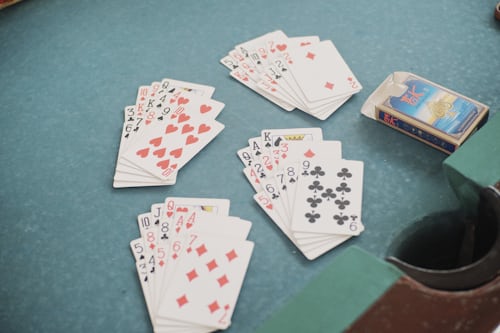
Moreover, developing your own psychological tactics can enhance your gameplay. Bluffing is a fundamental part of poker but should be executed with precision. A successful bluff often hinges on convincing your opponents that you hold a stronger hand than you actually do. This involves not only the act of betting but also maintaining a confident demeanor that supports the narrative you wish to convey. However, it’s crucial to understand when and how often to employ bluffing strategies to avoid becoming predictable.
In addition to reading opponents, cultivating emotional control is essential for maintaining focus and composure at the table. High-stakes situations can evoke strong emotions, ranging from elation to frustration. A successful player learns to manage these feelings, making rational decisions rather than allowing emotions to dictate their actions. Establishing a routine or employing mindfulness techniques can aid in maintaining this emotional equilibrium during intense gameplay.
Discovering Resources for Continuous Improvement
To master the art of poker, continuous improvement and learning are crucial. Numerous resources are available for players seeking to refine their skills, ranging from books and online articles to videos and coaching programs. Engaging with various educational materials can provide different perspectives on strategy, tactics, and psychological aspects of the game. For example, studying hands played by professionals can reveal advanced strategies that can be adapted to one’s individual play style.
Participating in online forums and poker communities can also provide valuable insights. Engaging with other players allows individuals to share experiences, discuss strategies, and learn from one another’s successes and mistakes. These interactions often expose players to innovative approaches and nuanced details that may not be presented in traditional educational materials. The poker community is vast, and leveraging these connections can significantly enhance your learning curve.
Lastly, evaluating your own gameplay is vital for improvement. Many online poker platforms offer tools for tracking and analyzing gameplay, allowing players to identify strengths and weaknesses in their strategies. Regularly reviewing past hands and sessions can reveal patterns or mistakes that may have gone unnoticed during live play. This reflective practice is essential for developing a comprehensive understanding of the game and implementing effective changes that lead to success.